Do Dummies Affect Speech Development? Daytime Use, Babbling and Talking
October 29, 2026
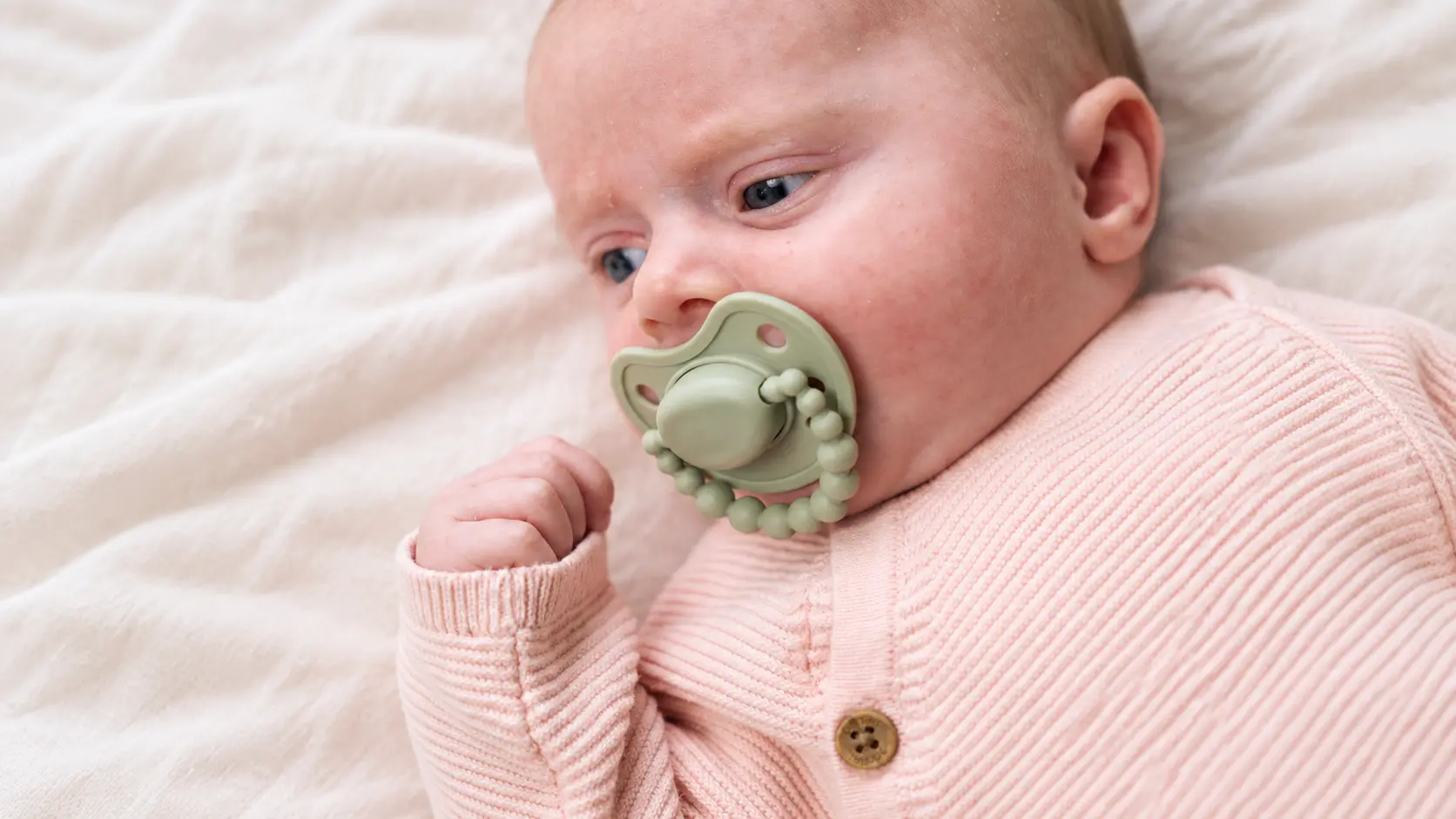
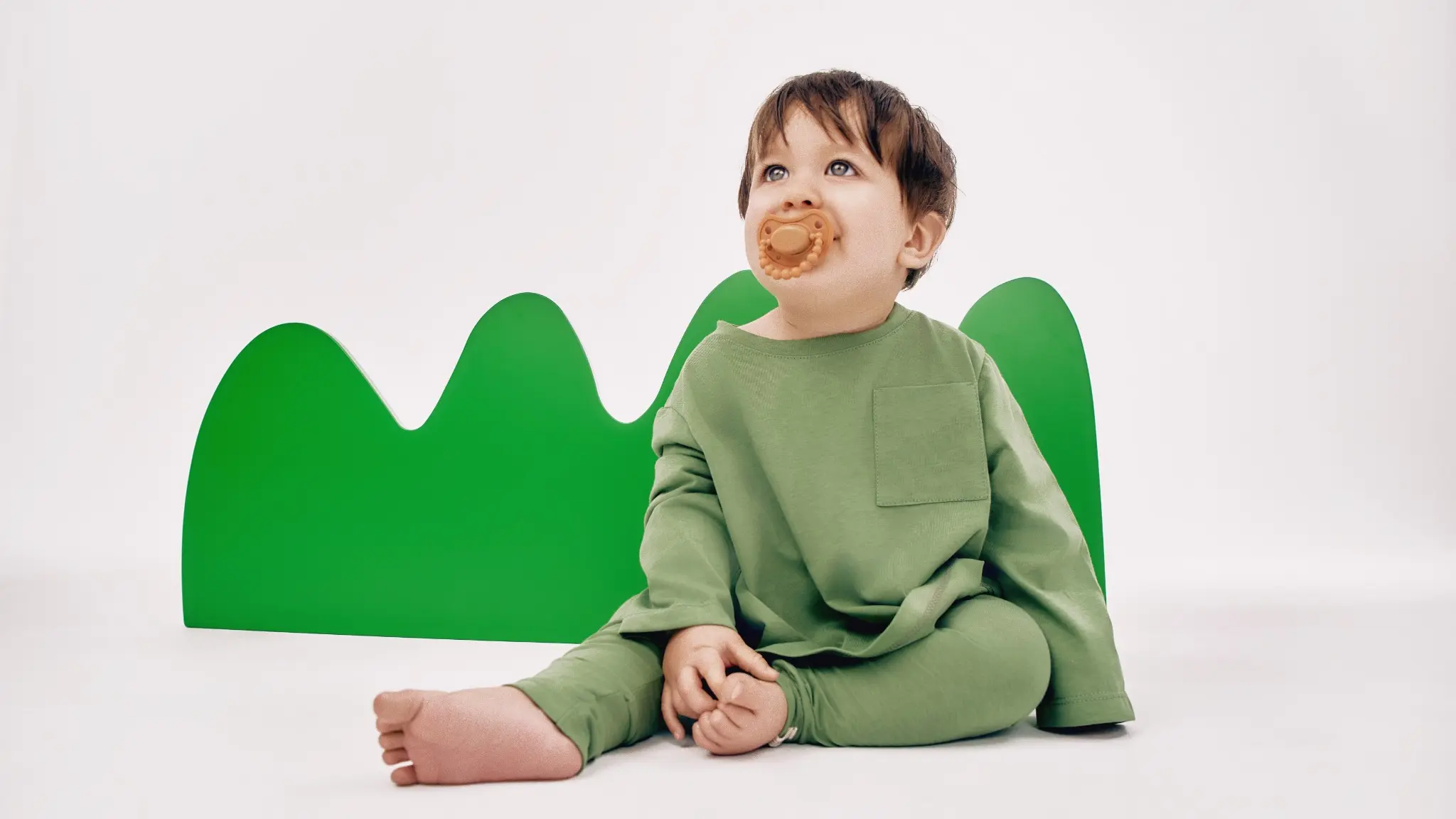
If you are worrying about whether your baby’s dummy could affect their speech, you are not alone. Many parents feel guilty even when they are only trying to help their child settle, stay calm in the car, or sleep through the night.
The reassuring core is this: for most babies, using a dummy does not automatically cause a speech delay. What can matter is how often a dummy is used while your baby is awake, because speech learning relies on opportunities to practise mouth movements and social communication.
Below, we’ll look at how babbling develops, what changes when a dummy is in the mouth during the day, and how to balance comfort with language practice.
How speech learning works (and why dummy use may get in the way)
Babies do not learn speech from “hearing alone”. They practise. That includes making sounds, moving their lips and tongue in different ways, and taking part in back-and-forth communication with a responsive adult.
When a dummy is in the mouth for long periods during waking hours, it can reduce the time your baby has their mouth free for babbling-like mouth movements and interactive vocal play. This is different from claiming that dummy use itself is automatically harmful.
Here is the distinction that helps parents make sense of the evidence:
| What people assume | What the evidence-based explanation is closer to |
|---|---|
| “Dummy use causes a speech disorder.” | Dummy use may affect opportunities to practise, especially if it is constant during awake time. This does not mean every child will have a speech or language problem. |
| “Speech delays are mainly because of the dummy.” | Speech and language depend on many factors. If concerns arise, professionals consider hearing, understanding, oral motor patterns and wider communication needs as well as feeding and oral habits. |
| “A dummy always prevents clear speech sounds.” | Speech sounds involve coordination and tongue-lip-jaw timing. A dummy can sometimes influence tongue space/placement, but it is not a guaranteed cause of a lisp or delayed speech. |
In other words: focus on duration and context during the day, and on supporting your baby’s communication opportunities.
Daytime vs night dummy use: what to aim for
Many parents find dummy use is most helpful for settling and sleep. That’s reasonable. The guidance most relevant to speech and language learning is to reduce dummy reliance during times when your baby is most likely to be ready to vocalise and interact.
As a general approach:
- Use a dummy for naps, bedtime settling and sleep support when it helps your baby.
- Use it less during active play and face-to-face interaction, especially as babbling becomes more speech-like.
- Be guided by your baby: if they seem to be reaching for sounds, copying you, or “trying” to talk, try giving them oral freedom rather than switching to a rigid rule.
There is also a practical reality: public meltdowns and car journeys happen. If you need the dummy to help your child cope with transitions, aim to keep the dummy as a comfort tool rather than a continuous “default” during waking time.
Brief dental note: Dummy use can have effects on the mouth and bite over time, and it is sensible to follow age-appropriate weaning and replacement advice from your dental team or health visitor. Keep this part simple and safety-focused rather than panic-driven.
Sleep note: If you have sleep concerns, consider talking to your health visitor. Don’t assume that reducing dummy use on your own will solve broader sleep problems.
Babbling, talking and turn-taking: the practice side of speech
Babbling is not random noise. It is practice - and it often happens alongside social play.
Parents often notice these broad phases:
- Cooing (often seen from around 2 months): playful vowel-like sounds and “chatting” noises.
- Canonical babbling (commonly around 6 months): more speech-like repeats, such as “ba/da/ma”-type patterns.
- Variegated babbling: a wider variety of sounds and rhythms as babies refine their control.
When a dummy is in the mouth during these stages, your baby has fewer chances to practise the mouth movements linked with vocal play. That doesn’t mean babbling cannot happen at all, but it can reduce repetition and reduce interaction opportunities.
Short practical insight: If you want a quick way to check whether dummy use is getting in the way, watch for “communication moments” - times when your baby looks at you, breathes as if to vocalise, or seems frustrated that you are not responding. In those moments, try removing the dummy for a short, calm window and give them a chance to have their mouth free.
Face-to-face interaction supports turn-taking - babies vocalise and adults respond, pause, and wait. That back-and-forth is a key part of early language learning.
Example you can try (simple and neutral): During a dummy-free floor play moment, hold your baby close and respond to any sound. If they make a vowel or squeak, you echo it with a slightly different pitch, then pause. Even if they only vocalise once, you still create a “repeatable” practice opportunity.
Tongue position and speech sounds: what a dummy design can influence
Speech sounds rely on coordinated movement of the tongue, lips and jaw. Babies build these skills through practice - but the shape of an oral device can also change where the tongue rests.
This is where the “dummy controversy” often becomes confused. A dummy is not a speech therapist, and no pacifier design can guarantee typical speech sound development. However, it is reasonable to consider whether a dummy gives the tongue enough space to rest and move naturally.
One way some parents think about this is in terms of tongue space and tongue positioning during use. If a dummy encourages a tongue position that is less typical for a period of time, it may contribute to atypical oral patterns in some children. This could be relevant if dummy use is prolonged and the dummy design consistently reduces tongue freedom.
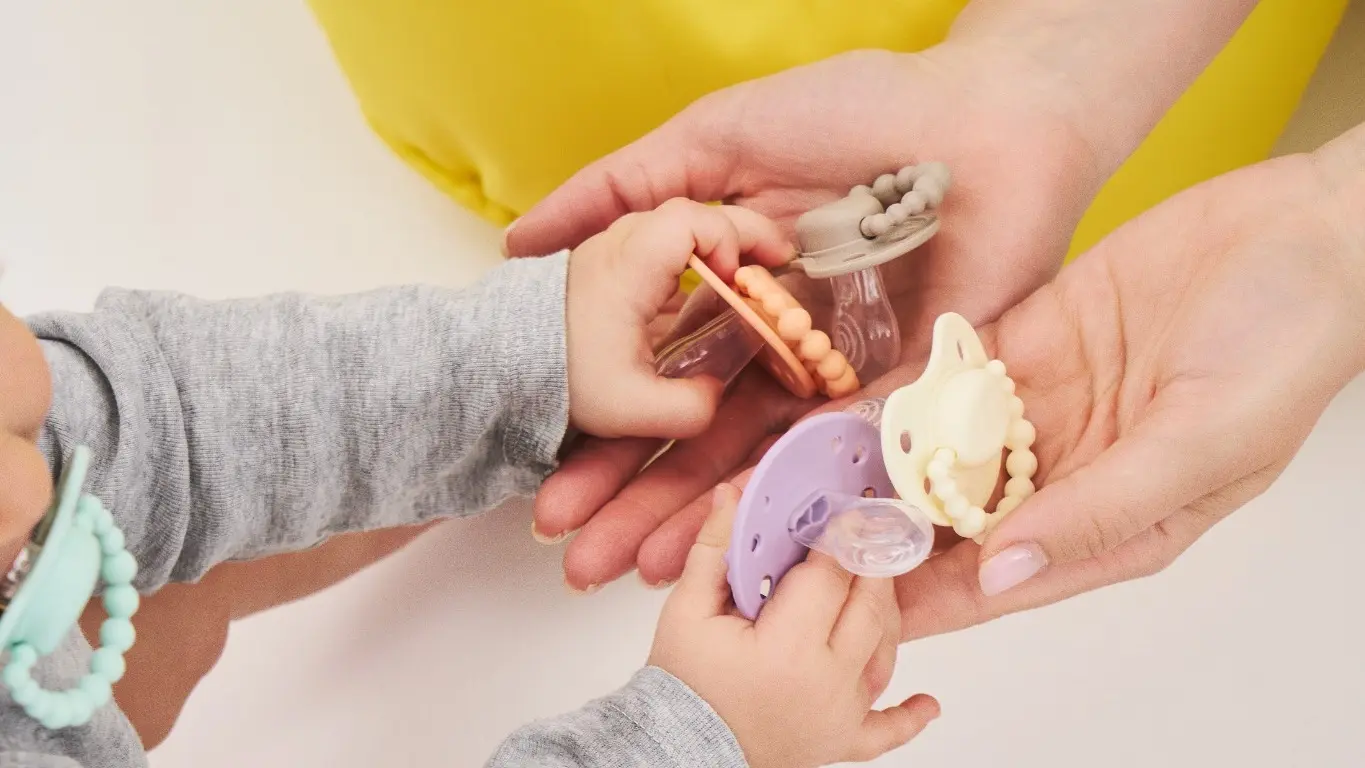
For parents using a positioning-focused option, LUU Positioning Pacifiers are designed around the idea of providing tongue space. Instead of anchoring the tongue down, the LUU nipple construction is intended to encourage a more natural tongue resting position in the mouth. This is about supporting oral comfort and space during use - not about promising a speech outcome.
Practical insight: If you notice your baby constantly pushing the dummy around with their tongue, pulling it out repeatedly, or seeming uncomfortable, that can be a sign the fit or size is not quite right. Age-appropriate sizing matters for comfort and for reducing unnecessary mouth “adjusting time”.
Remember: design is only one part. The biggest speech-related factor you can control day-to-day is how much time the mouth is occupied while your baby is awake and socially engaged.
Practical, guilt-free tips for awake-time routines
These suggestions are designed for real-life routines - without turning dummy use into a rigid “rule” you can’t stick to.
1) Prioritise dummy-free windows for interaction
Rather than aiming for “no dummy ever”, aim for moments when your baby is most likely to want to vocalise - for example after a nap, during floor play, or when you’re reading and pausing for their response.
Short practical insight: Choose one daily routine you already do well (like a 10-minute play window). Make that window dummy-free. Consistency often matters more than intensity.
2) Respond when your baby vocalises
If your baby makes a coo, squeak, or babble attempt, respond in a calm, interested way. You can mirror the sound, add a simple word, and pause again to give them time to “have a go”. This supports speech learning through social practice.
3) Offer the dummy for settling, not as a default during conversations
If your baby is calm and you are doing face-to-face talk, try leaving the dummy out. Use it when you need help with settling - especially around sleep times.
4) Use age-appropriate sizing
As babies grow, a dummy that fit comfortably earlier can become less suitable. Follow the stage-based sizing guidance for your chosen dummy model and replace it regularly as advised by the manufacturer and your health professional.
5) Keep it calm if your baby rejects it
Dummy rejection can happen. If your baby spits it out, you can treat that as information and reduce use without “forcing” it. Pressuring a baby can increase distress and can make the awake-time feel less interactive.
When to speak to a health visitor or speech and language professional
Most children will develop speech at their own pace. However, it is sensible to seek advice if you notice ongoing concerns, particularly in these areas:
- Expressive language concerns: for example, limited babbling or very few sounds progressing over time.
- Understanding concerns: if your child does not seem to respond to familiar voices, sounds, or simple routines.
- Speech sound patterns that persist: if you see differences in how sounds are made that do not improve with time.
- Feeding and oral motor issues: difficulties with sucking, chewing, or managing the mouth comfortably.
- Hearing concerns: if there are frequent ear infections or you suspect hearing may be affected.
In the UK, a health visitor can help you decide whether to refer to a speech and language therapist (and in some cases, hearing services). If you used a dummy and now worry about speech, professionals will typically consider the whole picture - not just dummy use.
Practical insight: If you’re unsure whether “not talking” is within the normal range, it can help to note what your child does communicate (eye contact, gestures, sounds, responding to their name) and how it changes across weeks. Those observations can make appointments more useful.
For general, up-to-date NHS information on speech and language development and when to seek support, you can refer to NHS guidance here: Help your baby learn to talk
FAQ
Can having a dummy delay speech?
It does not automatically cause a speech delay. However, constant daytime dummy use can reduce opportunities to practise babbling and verbal mouth movements. Speech development also depends on many other factors.
Do dummies cause a lisp?
A dummy does not automatically cause a lisp. Prolonged use of any poorly fitting dummy could influence tongue positioning. If you notice speech-sound concerns that persist, ask a speech and language professional for individual advice.
When should I reduce daytime dummy use?
Many parents choose to keep dummy use mainly for sleep and settling, and to reduce it during active play and face-to-face interaction as babbling becomes more speech-like. If you are unsure about timing, discuss it with your health visitor or dental team.
Why does my baby understand but not talk much?
Understanding language (receptive language) can develop differently from talking (expressive language). If you’re concerned about progress for age, it is reasonable to seek advice from a speech and language therapist, who can also consider hearing and oral motor factors.
What should I do if my baby is babbling less when using a dummy?
Try increasing short dummy-free windows during play and interaction, and respond to any sounds you hear. If you see concerns that continue, ask for professional support so the whole picture can be assessed.
Next step: If you want to support healthy oral development while you’re using a dummy, LUU Kids shares practical education on choosing and using positioning pacifiers, including tongue-space-focused design and age-based sizing. You can browse the LUU approach here: LUU Kids website.