Do Dummies Cause Tooth Decay and Infections? Facts vs. Myths for Parents
September 21, 2026
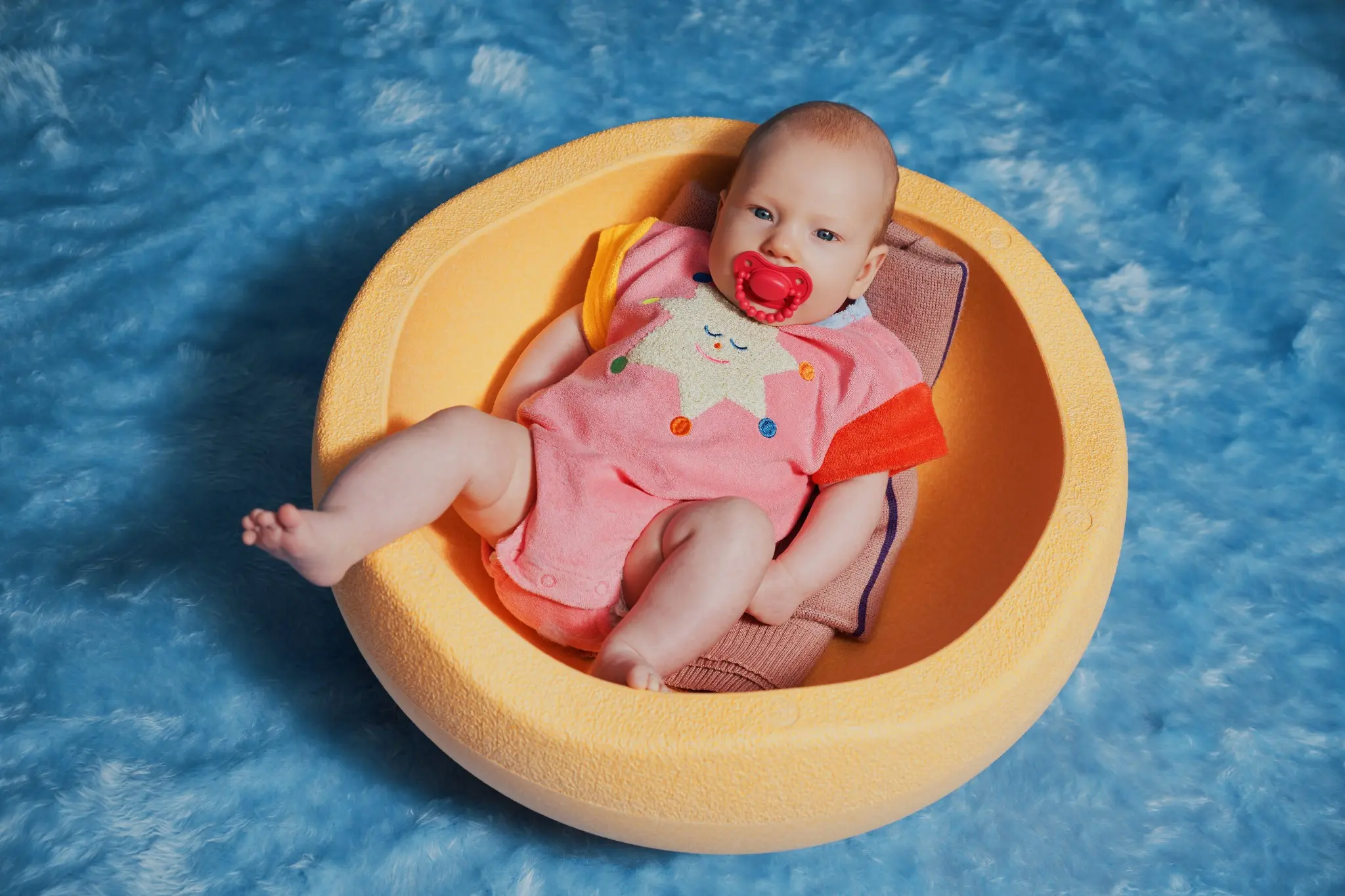
If you're using a dummy (or thinking about it), you're not alone. For many families it's a sleep-saver, a way to soothe colic, or a tool for settling on the go. But it's also normal to worry: will a dummy cause tooth decay, infections, or affect my baby's mouth?
The reassuring part: most problems linked to dummies come down to specific habits (like sugary dips, poor cleaning, or very prolonged use), not the dummy itself. Below you'll find clear, practical answers and simple steps to reduce risk.
Facts vs. myths: dummies, decay, and 'dummy teeth'
Parents often hear confident statements that are only partly true. This quick table separates what's supported by mainstream guidance from what's often misunderstood. For practical guidance on safer dummy use, the Lullaby Trust provides detailed recommendations for parents.
| Claim | More accurate take | What parents can do |
|---|---|---|
| "Dummies cause tooth decay." | Decay is driven by sugar and plaque bacteria. A dummy can contribute indirectly if it's dipped in sweet foods/drinks or used with frequent sugary feeding at night. | Never dip a dummy in honey, jam, sugar, or sweetened drinks; prioritise oral hygiene once teeth arrive. |
| "Any dummy will ruin the bite." | Changes are more likely with prolonged, frequent use as teeth erupt, especially beyond toddler years. Risk varies by duration, intensity, and individual growth. | Limit use (often to sleep/settling), choose an age-appropriate shape and size, and plan gradual weaning. |
| "Cleaning the dummy in my mouth is fine." | Adults can pass cavity-causing bacteria to babies through saliva. This is a known pathway for bacteria transfer. | Rinse and clean with safe methods instead of sucking it clean. |
| "A dummy always causes ear infections." | Some studies show an association, especially with frequent daytime sucking. It does not mean every child will get infections. | If your child has recurrent ear infections, discuss dummy use with your GP/health visitor and consider limiting daytime use. |
Personal insight: Many parents only think about cleaning when the dummy hits the floor. In practice, the bigger issue is often routine wear: tiny cracks and a cloudy teat can hold on to residue. A quick daily check takes seconds and can prevent a lot of worry.
Do dummies cause tooth decay?
On their own, dummies do not "create" tooth decay. Tooth decay happens when bacteria in plaque use sugars to produce acids that weaken enamel over time. A dummy becomes a risk factor when it adds sugar exposure or makes it harder to keep a clean mouth once teeth are in.
When a dummy can contribute to decay risk
- Sugary dips: Honey, syrups, sugar, sweetened drinks, and even some "natural" sweeteners can increase decay risk.
- Frequent night-time feeding with sugars: If a child regularly falls asleep with milk or sweetened liquids and also uses a dummy, bacteria have more fuel for longer.
- Not replacing worn dummies: A rough or damaged surface can be harder to clean properly.
Practical ways to reduce risk
- Keep the dummy "plain" (no sweet coatings).
- Once teeth erupt, aim for an age-appropriate brushing routine and regular dental check-ups as recommended in the UK.
- Use the dummy intentionally (for sleep and settling) rather than as an all-day habit.
Personal insight: If you're trying to cut down dummy time, the easiest first step is often "home only" or "sleep only". Parents usually find it simpler than taking it away completely, and children adapt faster when the rule is consistent.
Do dummies increase the risk of ear infections?
Some research finds a link between frequent dummy use and middle ear infections (otitis media). One simple explanation is mechanics: sucking may affect the tiny tubes connecting the back of the throat to the middle ear (often called the Eustachian tubes), which can influence ventilation and fluid build-up in some children.
This is not a guarantee that your baby will get ear infections if they use a dummy. But if your child is prone to recurrent infections, it's worth discussing with your GP or health visitor, especially regarding daytime use.
Simple risk-limiting habits
- Consider keeping dummy use mainly for sleep and settling, rather than continuous daytime sucking.
- If your child has repeated ear infections, review dummy habits alongside other factors (nursery exposure, colds, smoke exposure, reflux), with a clinician.
Oral thrush and dummy hygiene
Oral thrush is a yeast infection in the mouth (often Candida). Because dummies stay moist and warm, they can harbour microbes if not cleaned and dried properly. Thrush can also keep coming back if the dummy (or bottle teats) are not adequately cleaned between uses.
Common signs of oral thrush in babies
- White patches on the tongue, cheeks, or gums that don't wipe away easily
- Redness or soreness in the mouth
- Fussiness during feeding, pulling off the breast or bottle
- Nappy rash can sometimes appear at the same time
If you suspect thrush, it's best to speak with a pharmacist, GP, or health visitor for diagnosis and treatment advice for both baby and breastfeeding parent when relevant.
Can I "clean" the dummy in my mouth?
It's understandable in the moment (you're out, it falls, the crying starts), but it's not recommended. Saliva can transfer bacteria from adult mouths to babies, including bacteria linked with dental decay. A quick rinse with safe water (and proper cleaning as soon as you can) is a better plan.
Personal insight: A spare dummy in a clean, ventilated case is one of the simplest ways to avoid the "do I just suck it clean?" dilemma when you're out. Many parents find twin packs helpful for this reason, not because they need more products, but because it reduces stress in real-life moments.
How to clean and sterilise a dummy (step by step)
Cleaning removes visible dirt and milk residue. Sterilising reduces germs. The approach can vary by your baby's age and health, but these methods are commonly recommended for infant feeding items and can be used for dummies too.
Daily cleaning (quick routine)
- Wash your hands.
- Rinse the dummy under running water.
- Wash with warm water and mild soap if needed.
- Rinse thoroughly so no soap remains.
- Let it air-dry on a clean surface (avoid storing it wet in a closed container).
Sterilising methods parents commonly use
- Boiling: Place the dummy in boiling water for up to 5 minutes, then remove carefully and allow to cool and dry. (Always check the manufacturer's instructions first.)
- Steam steriliser: Use an electric or microwave steam steriliser, following the device instructions.
- Cold-water sterilising solution: Use a sterilising tablet or liquid in a dedicated container, following dilution and timing instructions.
Extra hygiene checks that matter
- Check the dummy daily for cracks, tears, stickiness, thinning, or trapped water inside the teat.
- If the dummy has been in an older child's mouth, replace it (sharing spreads germs quickly).
- Replace after illness (like thrush) if advised by your clinician, and sterilise any related items (bottle teats, teethers) thoroughly.
Choosing a dummy: shape, size, and when to replace it
Parents are often told to choose an "orthodontic" dummy, but labels vary and the real-world difference is usually about fit, shape, and how the dummy sits in the mouth. In general, look for a dummy that:
- Is the right size for your baby's age (too large can encourage a poor seal; too small may not settle well)
- Has a shield that allows good airflow around the mouth
- Is made from materials you're comfortable with and is easy to clean
- Supports a relaxed mouth posture rather than forcing the tongue into a cramped position
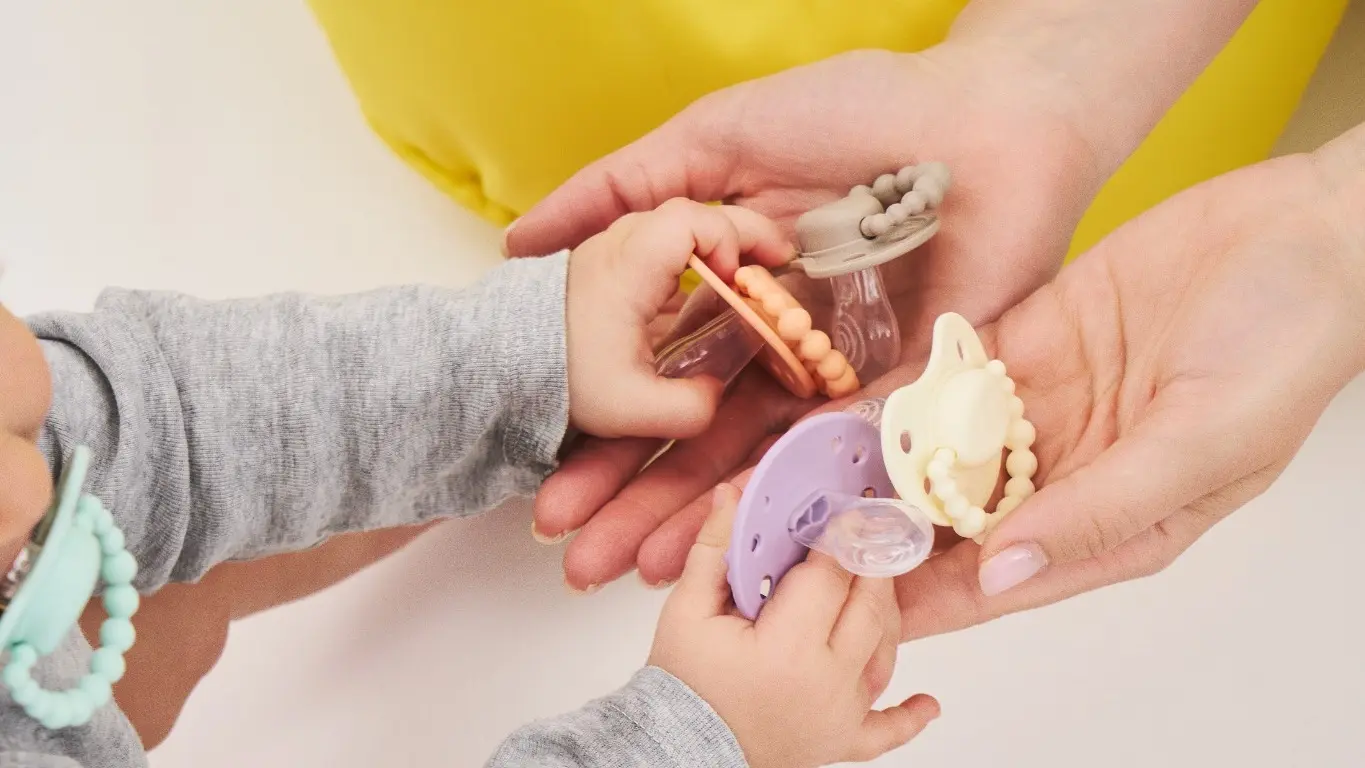
At LUU Kids, our core category is the LUU Positioning Pacifier. The distinctive nipple construction is designed to give the tongue more space in the oral cavity and support a more natural tongue position. If you are comparing options, it can help to think in terms of function (tongue space, fit, size progression) rather than marketing claims.
When should I replace a dummy?
Replace a dummy immediately if you see damage or changes in texture. If it looks intact, regular replacement is still sensible because materials wear over time (especially with sterilising and teething). Follow the manufacturer's guidance, and use the "daily check" as your back-up rule.
When should a child stop using a dummy?
There isn't one perfect birthday that fits every child. Many dental and health sources advise planning to reduce and stop dummy use as your child grows, particularly if it's frequent beyond toddlerhood, because prolonged sucking habits can influence tooth position as the mouth develops.
A realistic approach for many families is:
- Start by limiting the dummy to sleep and settling.
- Introduce other soothing routines (cuddles, a comforter, a short bedtime pattern).
- Gradually phase it out when your child is ready, ideally avoiding big life changes (new sibling, nursery start) at the same time.
If you're concerned about your child's teeth, bite, or speech, a dentist, orthodontic professional, or speech and language therapist can give advice tailored to your child.
FAQ
Do dummies cause tooth decay?
Dummies don't cause decay by themselves. Decay risk rises when a dummy is dipped in sugary foods/drinks, or when teeth are exposed to sugars frequently (especially at night) and oral hygiene is difficult to maintain.
Can I clean my baby's dummy by putting it in my mouth?
It's best not to. Saliva can transfer bacteria from adults to babies, including bacteria associated with tooth decay. Rinse with safe water and clean properly as soon as you can.
Do dummies increase ear infection risk?
Some studies show an association, particularly with frequent daytime use. If your child has recurrent ear infections, consider limiting dummy use to sleep/settling and discuss it with your GP or health visitor.
How do I know if my baby has oral thrush?
Common signs include white patches in the mouth that don't wipe away easily, redness or soreness, and fussiness during feeding. Speak to a pharmacist, GP, or health visitor for diagnosis and treatment advice.
How often should I replace a dummy to prevent infection?
Replace immediately if there are cracks, tears, stickiness, thinning, or trapped water. Otherwise, follow the manufacturer's replacement guidance and keep up daily checks, because worn materials are harder to clean well.
What dummy should I choose if I'm worried about oral development?
Look for an age-appropriate size and a shape that supports comfortable tongue space and a relaxed mouth posture. If you're comparing designs, LUU Kids focuses on positioning dummies such as the LUU Positioning Pacifier, which is shaped to give the tongue more room as your baby grows.
If you'd like to explore LUU Kids' approach to positioning dummies and age-specific sizing, you can see the range on the official site: LUU Kids positioning pacifiers and baby essentials.